
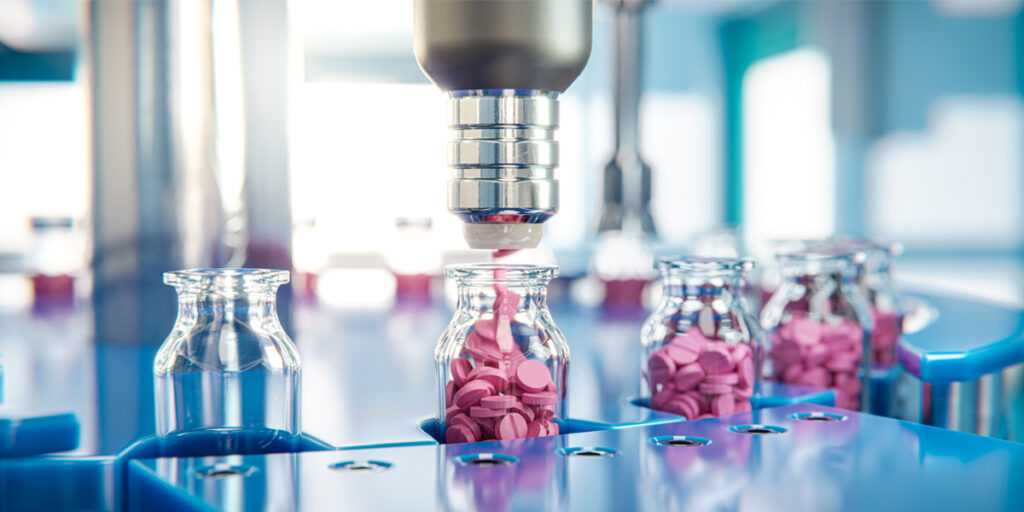
Pharmaceutical manufacturing is a critical component of the healthcare industry, responsible for producing medicines that prevent, treat, and cure a wide range of medical conditions. This sector encompasses various processes, from drug discovery and development to the production of finished products. Ensuring quality, safety, and efficacy in pharmaceutical manufacturing is paramount, as these factors directly impact patient health and well-being. This article provides a comprehensive overview of pharmaceutical manufacturing, including its processes, challenges, and the role of technology in advancing this field.
The Pharmaceutical Manufacturing Process
1. Drug Discovery and Development
Before a pharmaceutical product reaches the manufacturing stage, it undergoes a rigorous process of discovery and development. This phase involves identifying potential drug candidates and evaluating their effectiveness and safety through preclinical and clinical trials.
Drug Discovery:
- Target Identification: Researchers identify biological targets associated with diseases.
- Lead Compound Discovery: Compounds that interact with these targets are identified and tested for efficacy.
Drug Development:
- Preclinical Trials: In vitro (test tube) and in vivo (animal) studies are conducted to assess safety and efficacy.
- Clinical Trials: Human trials are conducted in phases to evaluate safety, dosage, and effectiveness.
2. Formulation and Development
Once a drug candidate proves successful in trials, the formulation and development phase begins. This process involves developing the final product form, such as tablets, capsules, or injectables, and ensuring it meets the required standards.
Formulation Development:
- Preformulation Studies: Assessing the drug’s properties to determine the best formulation.
- Formulation Design: Creating the drug’s final form, considering factors like stability, release rate, and patient compliance.
Development of Manufacturing Processes:
- Process Optimization: Developing scalable and reproducible manufacturing processes.
- Quality Control: Ensuring that the formulation meets predefined quality criteria.
3. Manufacturing
The manufacturing phase involves the large-scale production of pharmaceutical products. This process is highly regulated to ensure the final product’s quality and safety. Key stages in pharmaceutical manufacturing include:
Active Pharmaceutical Ingredient (API) Production:
- Synthesis: Chemical or biological processes are used to produce the active ingredient.
- Purification: Removing impurities to ensure the API meets required standards.
Formulation:
- Mixing and Blending: Combining the API with excipients (inactive ingredients) to create the final product.
- Granulation: Converting the blended powder into granules for tableting or capsule filling.
Compression and Packaging:
- Tableting/Capsule Filling: Compressing granules into tablets or filling capsules with the formulation.
- Packaging: The final product is packaged into containers and labeled according to regulatory requirements.
4. Quality Control and Assurance
Quality control (QC) and quality assurance (QA) are integral to pharmaceutical manufacturing, ensuring that products meet safety and efficacy standards. QC involves testing samples from various stages of production, while QA encompasses the entire production process, including documentation and adherence to Good Manufacturing Practices (GMP).
Quality Control Tests:
- Identity Testing: Confirming the drug’s identity.
- Purity Testing: Ensuring the absence of contaminants.
- Potency Testing: Verifying the drug’s strength and efficacy.
Quality Assurance:
- Documentation: Maintaining detailed records of production and testing.
- Compliance: Ensuring adherence to regulatory standards and GMP guidelines.
Challenges in Pharmaceutical Manufacturing
1. Regulatory Compliance
Pharmaceutical manufacturing is subject to stringent regulations imposed by agencies such as the U.S. Food and Drug Administration (FDA) and the European Medicines Agency (EMA). Compliance with these regulations is essential to ensure product safety and efficacy.
Challenges:
- Changing Regulations: Keeping up with evolving regulatory requirements.
- Documentation: Maintaining comprehensive and accurate records.
2. Quality Control
Ensuring consistent quality across large-scale production is a significant challenge. Variations in raw materials, equipment performance, and human error can impact product quality.
Challenges:
- Variability: Addressing variations in raw materials and production processes.
- Testing: Ensuring timely and accurate testing to identify potential issues.
3. Supply Chain Management
Pharmaceutical manufacturing relies on a complex supply chain, including raw material suppliers, contract manufacturers, and distributors. Managing this supply chain effectively is crucial to prevent disruptions and ensure timely delivery of products.
Challenges:
- Global Supply Chains: Navigating international regulations and logistics.
- Raw Material Shortages: Addressing shortages or quality issues with raw materials.
4. Technological Advancements
While technology offers significant benefits, integrating new technologies into existing manufacturing processes can be challenging.
Challenges:
- Integration: Ensuring new technologies are compatible with current systems.
- Training: Providing adequate training for personnel to operate new technologies.
Technological Innovations in Pharmaceutical Manufacturing
1. Automation and Robotics
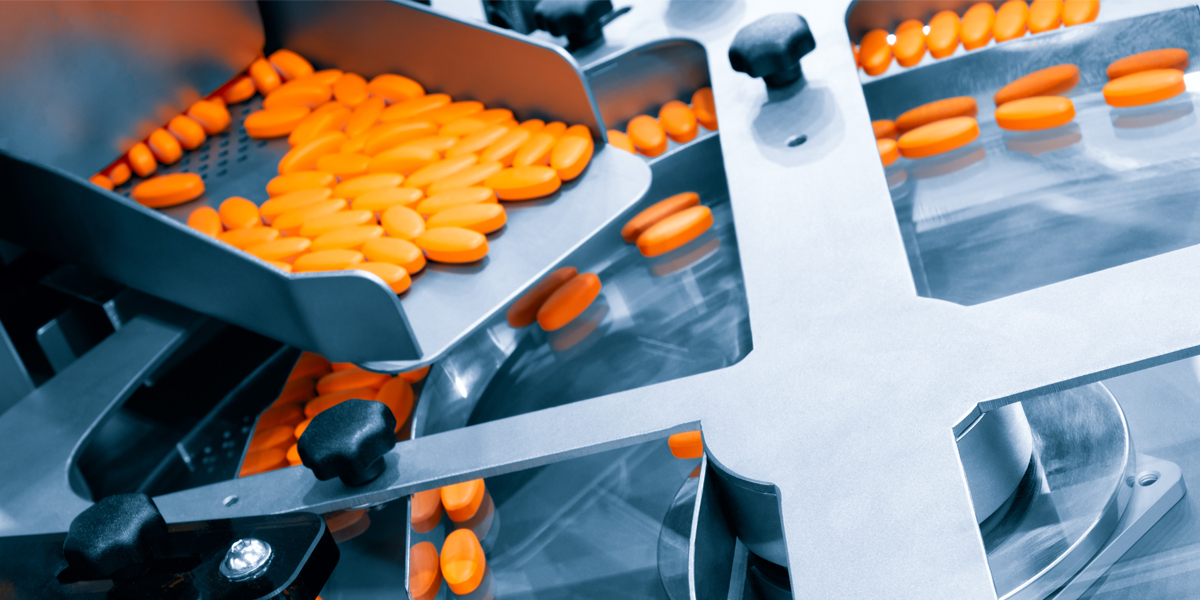
Automation and robotics are revolutionizing pharmaceutical manufacturing by improving efficiency and precision. Automated systems are used for tasks such as formulation, filling, and packaging, reducing the risk of human error and increasing production speed.
Benefits:
- Increased Efficiency: Streamlined processes and reduced manual labor.
- Enhanced Precision: Improved accuracy in dosing and packaging.
2. Process Analytical Technology (PAT)
Process Analytical Technology (PAT) involves using real-time monitoring and analytical tools to ensure consistent product quality during manufacturing. PAT allows for continuous monitoring of critical process parameters, enabling immediate adjustments to maintain quality.
Benefits:
- Real-Time Monitoring: Continuous assessment of process parameters.
- Quality Control: Early detection of deviations from quality standards.
3. Pharmaceutical 4.0
Pharmaceutical 4.0 is the integration of Industry 4.0 principles into pharmaceutical manufacturing. This approach leverages technologies such as the Internet of Things (IoT), big data analytics, and artificial intelligence (AI) to enhance manufacturing processes.
Benefits:
- Data-Driven Insights: Improved decision-making based on data analysis.
- Enhanced Flexibility: Ability to adapt to changing market demands and production requirements.
4. Continuous Manufacturing
Continuous manufacturing involves producing pharmaceuticals in a continuous flow rather than in discrete batches. This approach offers several advantages, including increased efficiency, reduced production costs, and improved product quality.
Benefits:
- Higher Efficiency: Reduced production time and waste.
- Improved Consistency: More consistent product quality compared to batch manufacturing.
The Future of Pharmaceutical Manufacturing
The future of pharmaceutical manufacturing is likely to be shaped by ongoing advancements in technology and increasing demands for efficiency and quality. Key trends include:
1. Personalized Medicine
Personalized medicine involves tailoring treatments to individual patients based on their genetic makeup and other factors. Advances in biotechnology and genomics are driving this trend, leading to more targeted and effective therapies.
2. Sustainability
Sustainability is becoming a key focus in pharmaceutical manufacturing, with efforts to reduce environmental impact through energy-efficient processes, waste reduction, and sustainable sourcing of raw materials.
3. Global Collaboration
Global collaboration among pharmaceutical companies, regulatory agencies, and research institutions is expected to increase, facilitating the development and distribution of new treatments and improving access to medicines worldwide.
Conclusion
Pharmaceutical manufacturing is a complex and highly regulated field that plays a crucial role in delivering safe and effective medicines to patients. From drug discovery and development to formulation, manufacturing, and quality control, each stage of the process is essential for ensuring the highest standards of product quality and safety. While challenges such as regulatory compliance, quality control, and supply chain management persist, technological innovations are driving significant improvements in efficiency and precision. As the industry continues to evolve, advancements in automation, process analytical technology, and personalized medicine will shape the future of pharmaceutical manufacturing, ultimately enhancing patient care and treatment outcomes.